

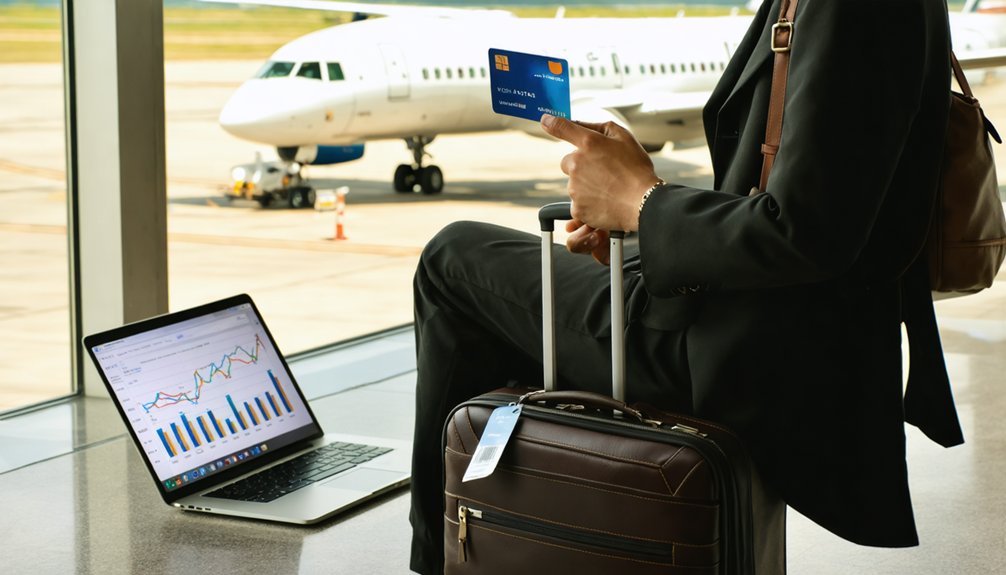

Airline rewards programs deliver savings by converting flights and everyday spending into points that offset airfare, often worth about 0.8 to 1.7 cents each. Strong programs also cut costs through free checked bags, upgrades, same-day changes, lounge access, and companion perks. Value depends on earn rates, partner options, and award pricing, especially as dynamic pricing raises mileage costs. Travelers who match a program to their spending habits and book early usually unlock the biggest reductions, as the details ahead explain.
Highlights
- Airline rewards reduce travel costs by turning flights and card spending into points redeemable for free or discounted trips.
- Programs with stronger point values and earning rates deliver greater savings, especially compared with devalued or low-earning programs.
- Elite status saves money through free checked bags, upgrades, same-day changes, and lounge access.
- Co-branded cards, transferable points, shopping portals, and dining programs help travelers earn miles faster and cheaper.
- Booking early and traveling off-peak improves award availability and lowers the miles needed for flights.
How Airline Rewards Programs Save You Money
How do airline rewards programs translate loyalty into real savings? They reduce travel costs through earnings, point values, and built-in perks that make members feel recognized.
Some programs still award miles by distance flown, while others tie earnings to ticket spend. Alaska Airlines Atmos Rewards stands out because it still bases earning on distance flown. United MileagePlus recently cut its base earning rate to 3 miles/$ for non-cardholders, which changes how quickly travelers can build value from paid tickets.
Card partnerships can accelerate accumulation dramatically, and flexible bank points widen access across multiple carriers. Strong loyalty programs like Delta’s, recognized as the Best Airline Loyalty Program, show how member perks can deepen long-term savings.
Savings become clearer when points are measured against cash fares.
Valuations commonly range from 0.8 to 1.7 cents per point, making a member’s earnings rate meaningful in dollar terms.
Award flights can offset hundreds or thousands in airfare, while elite benefits such as upgrades, free bags, and same-day changes lower out-of-pocket costs.
Tax status may affect how rewards are treated, and redemption timing often determines whether members capture stronger practical value overall.
Which Airline Rewards Offer the Best Value?
Among major airline rewards programs, Alaska Airlines’ Atmos Rewards currently stands out as the strongest value because its distance‑based earning model can reward inexpensive fares more generously than spend‑based systems, while maintaining solid award availability and a point value around 1.2 cents each. Clear award pricing and realistic availability further strengthen its appeal by improving redemption transparency. American Airlines AAdvantage uses Loyalty Points as its status metric, with tiers ranging from Gold at 40,000 points to Executive Platinum at 200,000 points. Its integration with Hawaiian broadens partner reach and gives members more ways to feel included across a growing network. The program also earned recognition for best innovation in airline loyalty thanks to its flexible elite‑status earning options and expanded partner ecosystem.
American Airlines AAdvantage remains a close contender, especially for travelers who value broad redemption options and clearly defined Loyalty tiers with meaningful perks.
United MileagePlus also merits attention as a competitive alternative, backed by network scale and improving rankings.
For those comparing each elitero airline option, Atmos appears strongest overall, while American and United offer dependable value for members seeking recognition, flexibility, and community. Delta and Southwest now trail due to weaker value propositions.
How to Earn Airline Rewards Faster
Several tactics can accelerate airline rewards earning, but credit card welcome bonuses, shopping portals, dining programs, and partner flights typically deliver the fastest gains.
Co-branded cards can create a strong starting balance: United Quest offers 80,000 miles, United Business 100,000, Southwest Priority 60,000, and Delta SkyMiles Gold 90,000 after qualifying spend. Transferable-points cards can also accelerate balances quickly, with offers like the Chase Sapphire Reserve’s 125,000 bonus points after qualifying spend. Used carefully, these offers help members feel established in a loyalty ecosystem quickly. Strategic use of category bonuses on purchases like restaurants, groceries, and travel can further speed earning through bonus categories.
Shopping portals add miles on tracked retail purchases, often without requiring a co-branded card, and combining portal clicks with rewards cards enables fast stacking.
Dining programs extend earning to registered restaurant spending, while partner and alliance flights broaden opportunities by crediting miles across carriers. Airline alliances such as Star Alliance can expand redemption and earning options across multiple carriers.
Effective bonus tracking matters, especially when retailer offers, issuer promotions, and partner programs can all overlap on everyday purchases.
Where Airline Rewards Stretch the Furthest
Atmos Rewards stands out through strong global valuation, with points estimated at 1.2 cents and elite pathways that favor distance flown.
Alaska’s oneworld ties and merged Hawaiian network deepen partner collaboration, extending utility across more destinations.
American also stretches value through broad redemption options, strong earning‑redemption ratios, and meaningful status perks such as checked bags, bonus miles, upgrades, and lounge access.
United remains competitive through network scale, while Delta’s repeated devaluations show how weaker point economics can reduce long‑term reward confidence for members.
Why Award Availability Matters for Savings
Because award prices and seat access move together, availability often determines whether miles deliver real savings or disappointing value.
Most airlines open seats 330 to 361 days before departure, and booking at schedule release usually gives members the widest choice, especially in premium cabins. That makes early booking a practical advantage, not just a planning preference. Programs with dynamic pricing can raise mileage costs alongside demand, making early access even more valuable when saver seats appear.
Savings also depend on timing and flexibility. Off-peak dates can sharply reduce mileage costs, while peak periods raise them and restrict options. Many programs use peak vs. off-peak award pricing, so shifting travel dates can meaningfully lower mileage costs. Variable pricing intensifies this gap by pushing award rates higher as demand rises, particularly on popular routes.
Live search tools and alerts help travelers stay aligned with real inventory instead of outdated results. For a community of points users seeking smarter redemptions, understanding release windows, partner access, and timing creates more reliable value from every mile. Reliable planning also depends on trustworthy data that reflects real inventory and changing conditions.
Which Airline Rewards Perks Cut Travel Costs?
Focus shifts from finding seats to identifying the perks that lower total trip cost once miles are in hand.
Free flights remain the clearest savings lever, with domestic miles often worth 1.2 to 1.4 cents each, though value depends on route demand and changing award prices. Yet because airlines can make frequent program changes, those savings are not always as predictable as they first appear. Since 2019, average loyalty seat prices on six major airlines have risen 36%, underscoring award inflation. When airlines announce higher redemption rates, many members rush to use balances early in a wave of bulk redemption.
Beyond flights, companion tickets, fee discounts, and card‑linked earning bonuses can widen savings for households traveling together.
Because 63% of frequent flyer miles now come from airline cards, strong everyday spending rewards often build annual miles faster than flying alone.
Access to a credit lounge can also trim airport food and workspace spending, although some airlines have tightened entry through spend‑based rules.
Priority benefits, selective hotel redemptions, and data‑driven perk availability together help members feel recognized while reducing out‑of‑pocket travel costs overall.
How to Pick the Right Airline Rewards Program
The value of airline rewards depends not only on the perks a program offers, but on how well its rules match a traveler’s spending patterns, routes, and redemption goals. Smart selection starts with program alignment: comparing loyalty metrics, mileage accrual, and redemption timing against actual travel habits.
Distance-based earners such as Alaska’s Mileage Plan and Atmos Rewards may suit frequent flyers, while AAdvantage appeals to those using cards and partners. Status flexibility also matters, especially where elite choices, tier thresholds, and same-day changes support changing needs. Evaluating partner breadth and airline alliances can widen belonging across more destinations, lounges, and upgrades. Travelers should also weigh redemption value against program devaluation risk; recent weakness at Delta and Southwest shows how quickly savings can erode for many members over time.
References
- https://www.nerdwallet.com/travel/learn/travel-loyalty-program-reviews
- https://thepointsguy.com/loyalty-programs/monthly-valuations/
- https://queue-it.com/blog/loyalty-program-statistics/
- https://www.moneytalksnews.com/heres-the-airline-that-americans-love-most-in-by-multiple-measures/
- https://www.arrivia.com/insights/best-travel-loyalty-programs/
- https://www.nerdwallet.com/travel/learn/airline-miles-and-hotel-points-valuations
- https://frequentmiler.com/welcome-to-2026-heres-what-we-predict-in-miles-points-credit-cards-and-rewards-programs/
- https://www.travelpulse.com/news/features/best-travel-rewards-programs-us-news-world-report-hotel-loyalty-airline-frequent-flyer-2025-2026
- https://www.prnewswire.com/news-releases/us-news-announces-the-2025-2026-best-travel-rewards-programs-302507639.html
- https://simpleflying.com/loyalty-program-change-united-airlines-passengers-discussing/